


5 Essential Things to Consider Before Starting a Construction Project
Starting a construction project is a significant decision that requires careful planning, clear communication, and proper execution. Whether you are planning a residential property, commercial space, or a new building, the decisions made before construction begins can have a major impact on the overall project.
A well-planned project can help reduce unnecessary complications, manage resources effectively, and create a smoother construction experience.
Here are 5 essential things to consider before starting a construction project.
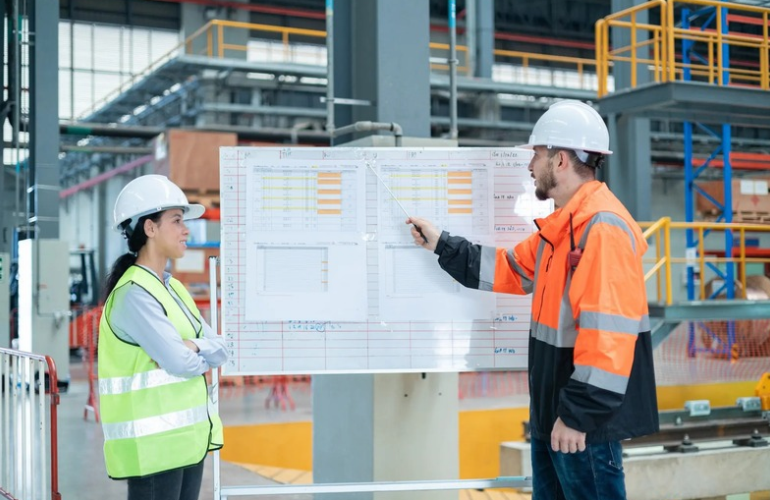
1. Clearly Define Your Project Requirements
Before construction begins, it is important to have a clear understanding of what you want to build.
Consider factors such as:
- Purpose and type of the building
- Required space and layout
- Number of floors
- Functional requirements
- Design preferences
- Future expansion possibilities
Clearly defining your requirements at the beginning helps create a strong foundation for the planning and design process.
2. Set a Realistic Budget
Budget planning is one of the most important steps in any construction project. Your budget should consider more than just the basic construction cost.
Depending on the project, you may need to account for:
- Construction materials
- Labour costs
- Design and planning
- Site preparation
- Electrical and plumbing work
- Finishing and fixtures
- Approvals and other related expenses
It is also wise to keep a reasonable contingency amount for unexpected expenses that may arise during construction.
3. Choose the Right Construction Partner
The construction team you work with can have a significant influence on the overall project experience.
When selecting a construction company, consider its approach to:
- Project planning
- Quality workmanship
- Communication
- Material selection
- Project coordination
- Safety and execution
A professional construction partner should understand your requirements and provide a clear and organized approach from planning through execution.
4. Focus on Proper Planning and Design
Good planning can help avoid many problems during the construction stage.
Before work begins, important aspects such as the building layout, structural requirements, materials, timelines, and project scope should be carefully considered.
A well-planned design should balance appearance, functionality, safety, and long-term usability.
Taking sufficient time during the planning stage can make the construction process more organized and efficient.
5. Understand the Project Timeline
Construction projects involve multiple stages, and each stage can affect the next.
A typical project may include:
Planning → Design → Approvals → Site Preparation → Construction → Finishing → Completion
Understanding the expected timeline helps you plan resources, coordinate different activities, and set realistic expectations.
Weather conditions, material availability, design changes, approvals, and other site-related factors can also influence the actual project schedule.
The Importance of Professional Construction Planning
Successful construction is not simply about putting materials together. It requires coordination between planning, design, materials, workmanship, project management, and client requirements.
By establishing clear requirements, setting a realistic budget, choosing the right construction partner, planning carefully, and understanding the project timeline, you can create a stronger foundation for your construction project.
Conclusion
Starting a construction project can be an exciting step, but proper preparation is essential for achieving the desired result. Careful planning at the beginning can help create a more organized process and support better decisions throughout the project.
At Rudra Prasan Construction Private Limited, we believe every project begins with understanding the client’s requirements and following a thoughtful approach to planning and execution. Our focus is on quality workmanship, reliable execution, and creating spaces built for lasting value.