
Key Benefits of Thoughtful Planning in Construction
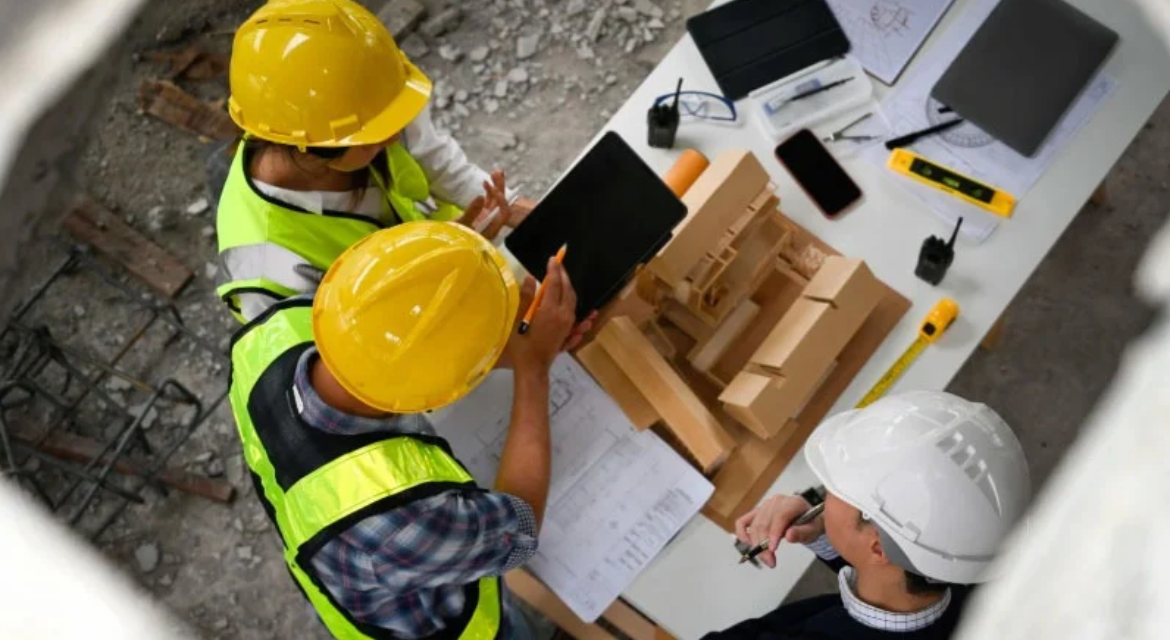
Every successful construction project starts with a clear plan. Whether it is a residential building, commercial space, or a larger development, thoughtful planning helps establish the direction of the project before construction begins.
From defining requirements and selecting materials to managing timelines and coordinating different activities, proper planning can make the construction process more organized and efficient.
Here are some of the key benefits of thoughtful planning in construction.

1. Creates a Clear Project Direction
Planning helps establish a clear understanding of what needs to be built and how the project should progress.
Before construction begins, important elements such as the building layout, design requirements, materials, project scope, and expected outcomes can be discussed and organized.
A clear direction helps everyone involved understand their responsibilities and the overall goals of the project.
2. Helps Manage the Budget
One of the major advantages of proper planning is better control over project costs.
A construction plan can help identify major expenses in advance, including:
- Materials
- Labour
- Site preparation
- Structural work
- Electrical and plumbing
- Finishing work
- Other project-related requirements
Having a clearer understanding of expected costs can help clients make informed decisions and reduce unnecessary expenses.
3. Improves Project Coordination
Construction involves multiple activities and professionals working at different stages. Proper planning helps coordinate these activities more effectively.
For example, structural work needs to be completed before certain finishing activities can begin. Similarly, electrical and plumbing requirements need to be considered during the appropriate stages of construction.
Good coordination helps different activities follow a logical sequence.
4. Supports Better Time Management
A well-planned project can have a clearer construction schedule.
Breaking the project into different stages allows the team to understand what needs to be completed, when it needs to be completed, and what activities depend on previous work.
While factors such as weather, material availability, approvals, and site conditions can affect timelines, proper planning can help reduce avoidable delays.
5. Helps Identify Potential Challenges Early
Not every construction challenge can be predicted, but thoughtful planning can help identify many potential issues before they become larger problems.
Site conditions, material requirements, design changes, access limitations, and coordination requirements can be reviewed during the planning stage.
Addressing these factors early can make the construction process more manageable.
6. Improves Material Management
Materials are an important part of every construction project. Proper planning helps determine what materials are required, when they will be needed, and how they should be managed.
Better material planning can help reduce unnecessary purchases, minimize wastage, and ensure important materials are available when required.
7. Supports Quality Construction
Planning and quality go hand in hand.
When project requirements, specifications, materials, and construction processes are clearly defined, it becomes easier to maintain consistent quality throughout the project.
Attention to detail during the planning stage can contribute to better workmanship and a more reliable final result.
8. Keeps the Client Involved
Good planning also creates better communication between the client and construction team.
Discussing requirements, designs, budgets, materials, and timelines early gives clients an opportunity to understand the project and make important decisions before construction progresses too far.
Clear communication helps build trust and reduces confusion during execution.
Planning for Long-Term Value
Construction is a long-term investment. Therefore, planning should not focus only on completing the project but also on how the finished space will perform and serve its users over time.
Factors such as functionality, durability, maintenance, energy efficiency, and future requirements can all be considered during the planning stage.
Conclusion
Thoughtful planning provides a strong foundation for successful construction. It helps establish clear requirements, manage resources, coordinate activities, control costs, and support quality execution.
While every construction project has its own challenges, a well-organized planning process can make the journey more structured and easier to manage.
At Rudra Prasan Construction Private Limited, we believe that careful planning is an essential part of creating quality-built spaces. We focus on understanding project requirements and combining thoughtful planning with reliable execution to deliver practical and lasting construction solutions.